Address
Unit 1 / 1-5 Elayne St Underwood QLD 4119
Work Hours
Monday to Friday: 7AM - 4PM
Address
Unit 1 / 1-5 Elayne St Underwood QLD 4119
Work Hours
Monday to Friday: 7AM - 4PM
Client: DT Infrastructure
Location: Ormeau, Gold Coast region, Queensland
ECS Role: Estimating and quantity surveying support
Services: Quantity surveying, cost estimating, variation cost assessment
Year: 2023 – Current
The Queensland Train Manufacturing Program is a Queensland Government program delivering 65 new six-car passenger trains and the facilities to build and maintain them, supporting South East Queensland’s growing rail network ahead of the Brisbane 2032 Olympic and Paralympic Games. Downer holds the design, build and maintain contract for the program.
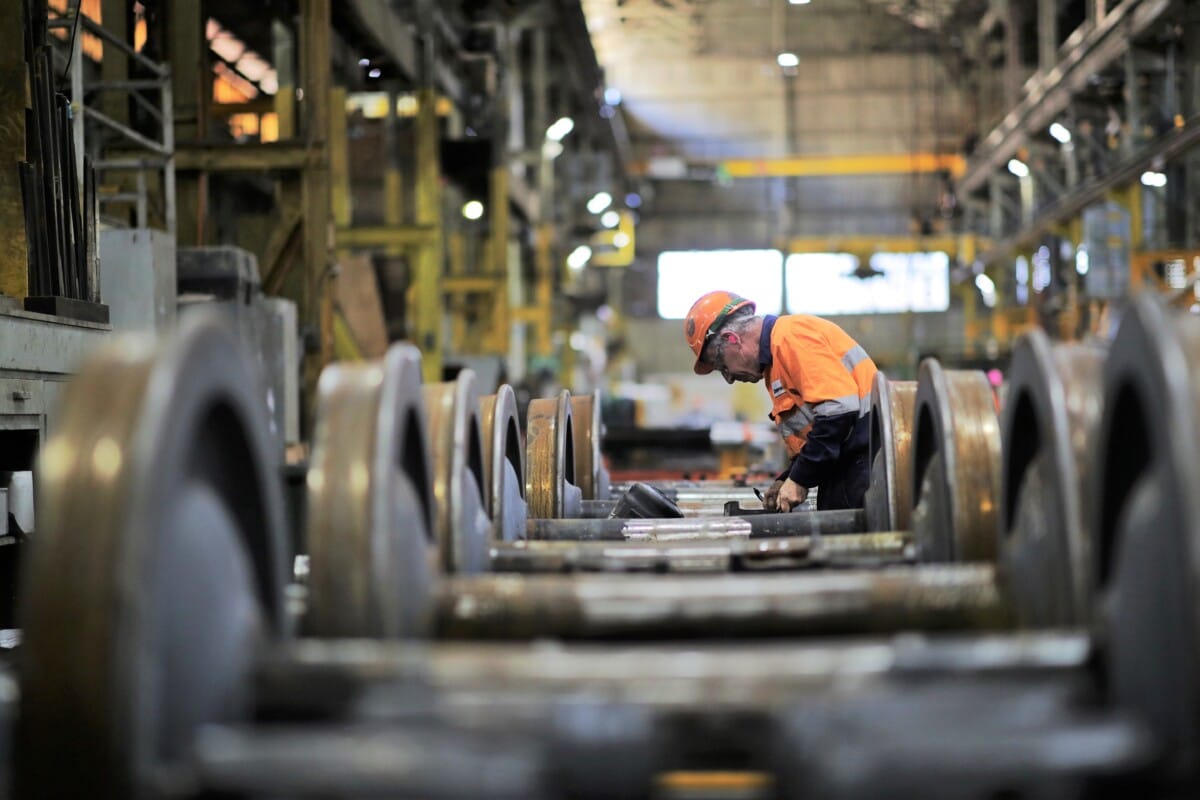
The Ormeau rail facility is the maintenance and stabling component, being delivered by DT Infrastructure in partnership with Downer on a 66-hectare site in the Gold Coast region. It comprises a maintenance building of around 21,000 square metres, administration offices, a train wash, stabling yard, car parking, internal roads and internal rail connections to the Gold Coast line. The facility will operate 24 hours a day, seven days a week.
ECS provides quantity surveying and cost estimating services to DT Infrastructure, measuring the quantities of work from the design drawings and preparing and maintaining the project’s cost estimate as the design develops.
The civil scope ECS estimates covers earthworks and ground improvement, drainage, roads and car parking, bridges, a waterway diversion, rail formation and the combined services route carrying the site’s underground services, along with the associated buildings. Because the design is refined in stages, ECS re-measures and updates the estimate at each stage so that DT Infrastructure holds a current and reliable view of forecast cost throughout. ECS also prepares independent cost assessments of project changes and variations.